
The Psychology of Black in Fashion - Why it Never Goes Out of Style
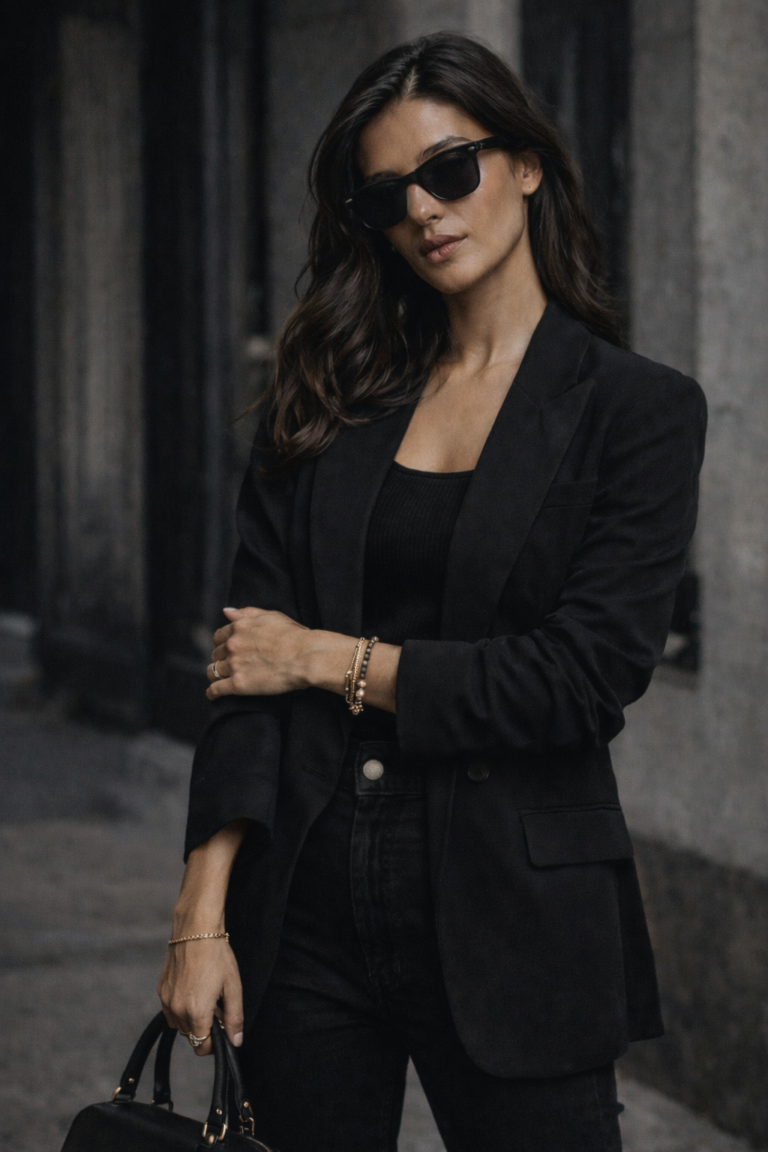
Black is more than a color in fashion — it’s a signal.
Across decades, trends, and cultures, black has remained the ultimate constant. While palettes shift season to season, black quietly holds its ground. But why?
Psychologically, black communicates power, authority, and control. It absorbs rather than reflects, creating a visual sense of depth and mystery. In clothing, that translates to confidence. A black outfit doesn’t ask for attention — it commands it subtly. That quiet dominance is part of its appeal.
There’s also the element of minimalism. Black removes distraction. Without competing colors, silhouette, tailoring, and texture take center stage. This is why designers consistently return to it. In black, structure becomes sharper, lines look cleaner, and details feel intentional.
Then there’s versatility. Black adapts. It can be formal or casual, rebellious or refined, understated or dramatic. The same black T-shirt can move from streetwear to tailored layering without losing its identity. Few colors offer that kind of range.
Culturally, black has also carried different meanings over time — elegance, mourning, sophistication, subversion. From avant-garde creatives to corporate boardrooms, it bridges worlds. That universality keeps it relevant.
Most importantly, black creates emotional safety. It’s flattering, forgiving, and dependable. In uncertain times, people gravitate toward stability — and in fashion, black represents that stability.
Trends may rotate. Colors may surge and fade. But black remains the anchor.
Because style evolves.
Black endures.